

Charcoal grilling has been a beloved method of outdoor cooking for generations, offering a unique flavor profile and a traditional experience that gas or electric grills can’t quite match. As we explore the various facets of charcoal grills, it’s clear that their enduring popularity is no accident. From the distinct taste of food cooked over charcoal to the hands-on experience that many grill enthusiasts crave, charcoal grills hold a special place in the hearts of backyard chefs around the world.
The Flavor Factor: Why Charcoal Grills Stand Out
One of the most compelling reasons people choose charcoal grills is the unmatched flavor they impart to food. Cooking over charcoal gives food a smoky, rich taste that’s difficult to achieve with other types of grills. The high heat of the coals sears meat quickly, locking in juices and creating a beautiful crust, while the smoke infuses each bite with a deep, savory flavor.
The choice of charcoal itself plays a crucial role in flavor. Lump charcoal, made from hardwood, tends to burn hotter and cleaner, giving food a more natural wood-fired taste. Briquettes, on the other hand, burn longer and more consistently, which can be ideal for slow-cooking larger cuts of meat. This flexibility in fuel options allows grillers to customize their cooking experience to achieve the perfect flavor profile for any dish.
The Art of Charcoal Grilling: A Hands-On Experience
For many, the process of grilling over charcoal is as enjoyable as the food itself. Unlike gas or electric grills, which offer convenience and ease of use, charcoal grills require a bit more skill and attention. The process of lighting the coals, managing the heat, and adjusting the airflow adds an element of craftsmanship to cooking that many grill enthusiasts find deeply satisfying.
This hands-on approach also allows for more control over the cooking process. By adjusting the amount of charcoal, the placement of coals, and the opening of vents, grillers can create different heat zones on the grill, allowing for both direct and indirect cooking. This versatility is one of the key reasons why experienced grillers often prefer charcoal grills when preparing complex meals that require varying levels of heat.

Versatility in Cooking: More Than Just Grilling
While grilling is the primary use for charcoal grills, their versatility extends far beyond that. Charcoal grills are well-suited for a variety of cooking methods, including smoking, roasting, and even baking. With the right setup, a charcoal grill can act as a smoker, allowing for low-and-slow cooking that produces tender, flavorful meats. By arranging the coals for indirect heat, it’s possible to roast a whole chicken or turkey, achieving a crispy exterior and juicy interior.
In addition, charcoal grills can be used for baking, allowing you to create wood-fired pizzas, bread, and even desserts with a hint of smoky flavor. This versatility makes charcoal grills a valuable addition to any outdoor kitchen, providing endless possibilities for culinary exploration.
Portability and Affordability: The Practical Benefits
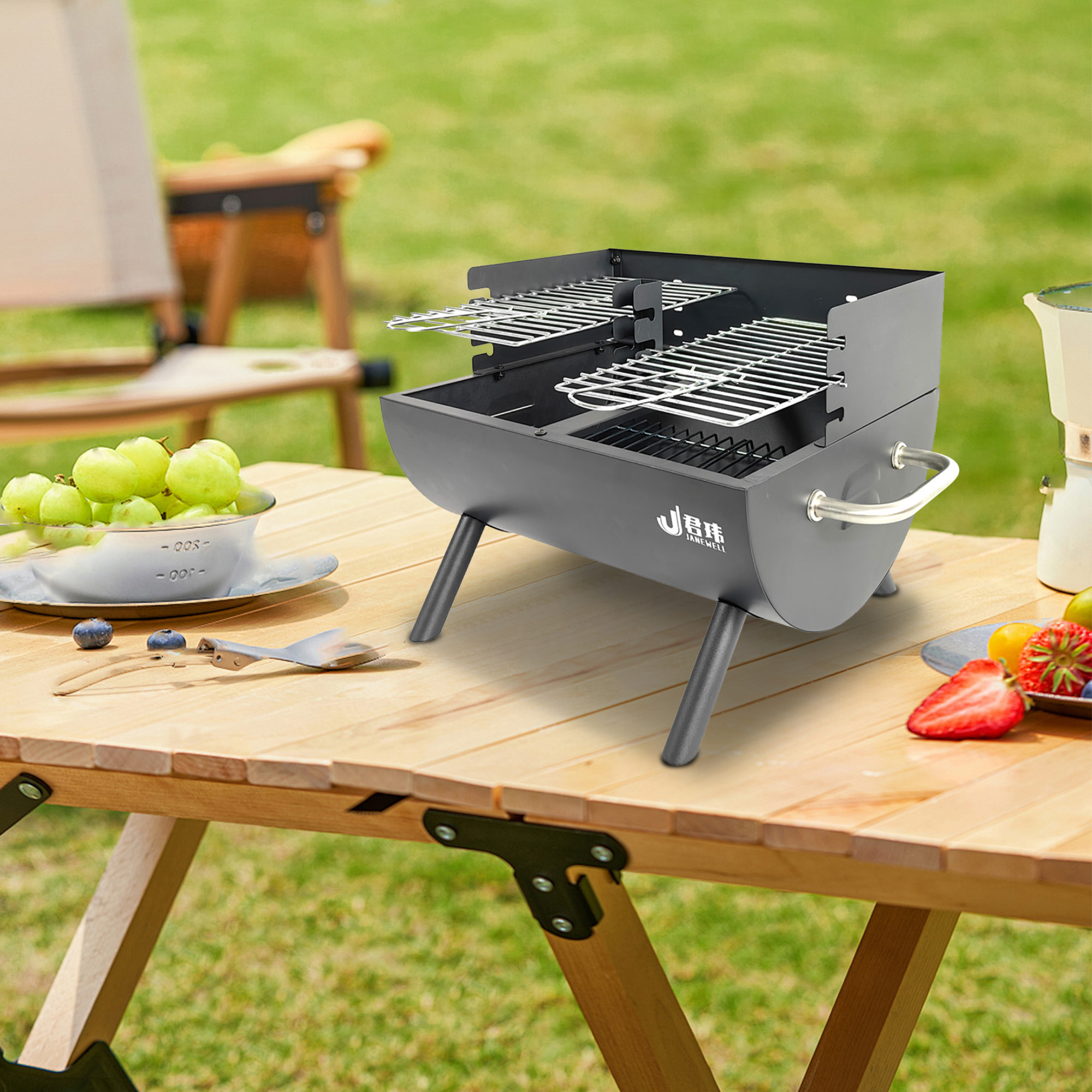
Another significant advantage of charcoal grills is their portability and affordability. Many charcoal grills are designed to be compact and lightweight, making them easy to transport for camping trips, tailgating, or beach outings. This portability ensures that you can enjoy the benefits of charcoal grilling wherever you go.
Moreover, charcoal grills are often more affordable than their gas or electric counterparts. They come in a wide range of sizes and price points, making them accessible to a broader audience. For those who are new to grilling or on a budget, a charcoal grill offers an excellent entry point into the world of outdoor cooking without a significant financial investment.
Sustainability and Environmental Impact
As concerns about sustainability and environmental impact grow, charcoal grills offer an appealing option for eco-conscious consumers. Lump charcoal, in particular, is made from natural wood and contains no additives, making it a more environmentally friendly choice compared to gas grills, which rely on fossil fuels. Additionally, some brands of charcoal are produced from sustainably sourced wood, further reducing the environmental footprint.
The simplicity of charcoal grills also means fewer moving parts and less reliance on electricity or gas, which can contribute to a longer lifespan and reduce waste. For those looking to minimize their impact on the environment, choosing a charcoal grill made from high-quality, durable materials is a responsible and sustainable option.
The Timeless Appeal of Charcoal Grills
In a world where convenience often takes precedence, the enduring popularity of charcoal grills speaks to the timeless appeal of traditional cooking methods. Charcoal grilling is about more than just preparing a meal—it’s about the experience, the flavor, and the connection to a time-honored tradition. Whether you’re a seasoned griller or new to the world of outdoor cooking, a charcoal grill offers a unique and rewarding experience that’s hard to replicate with other types of grills.
The versatility, flavor, and hands-on approach of charcoal grills make them a standout choice for anyone who values the art of cooking. As outdoor cooking continues to evolve, charcoal grills remain a beloved staple, offering a perfect blend of tradition and innovation. Whether you're hosting a summer barbecue, experimenting with new recipes, or simply enjoying the process of cooking outdoors, a charcoal grill is a worthy investment that will enhance your culinary adventures for years to come.