

Charcoal grilling is an age-old tradition that offers a distinct flavor and experience compared to other grilling methods. The rich, smoky taste it imparts to food is unparalleled, and with the right techniques, anyone can create mouthwatering dishes using a charcoal grill. Whether you're a seasoned griller or a beginner, understanding the nuances of charcoal grilling can significantly elevate your outdoor cooking game. Here’s a guide on how to use a charcoal grill to cook delicious food, with tips and techniques to ensure you get the best results every time.
Choosing the Right Charcoal: Lump vs. Briquettes
The first step to great grilling is choosing the right charcoal. The type of charcoal you use can have a significant impact on the flavor and cooking process. Lump charcoal is made from natural hardwood and burns hotter and faster, providing a more authentic wood-fired flavor. It’s ideal for quick, high-heat grilling. On the other hand, charcoal briquettes are made from compressed sawdust and other materials, burning more slowly and evenly. Briquettes are perfect for longer cooking times and provide a consistent heat source, making them a good choice for low-and-slow cooking.
Setting Up Your Charcoal Grill: Direct vs. Indirect Heat
Before you start cooking, it's important to set up your charcoal grill properly. The way you arrange the charcoal in your grill determines whether you’ll be using direct or indirect heat. For direct heat, spread the charcoal evenly across the bottom of the grill. This method is perfect for searing steaks, burgers, and other quick-cooking items. For indirect heat, pile the charcoal on one side of the grill, creating a cooler zone on the opposite side. This setup is ideal for larger cuts of meat that need to cook slowly, like ribs or whole chickens, as it allows the food to cook evenly without burning.
Controlling the Temperature: Vents and Airflow
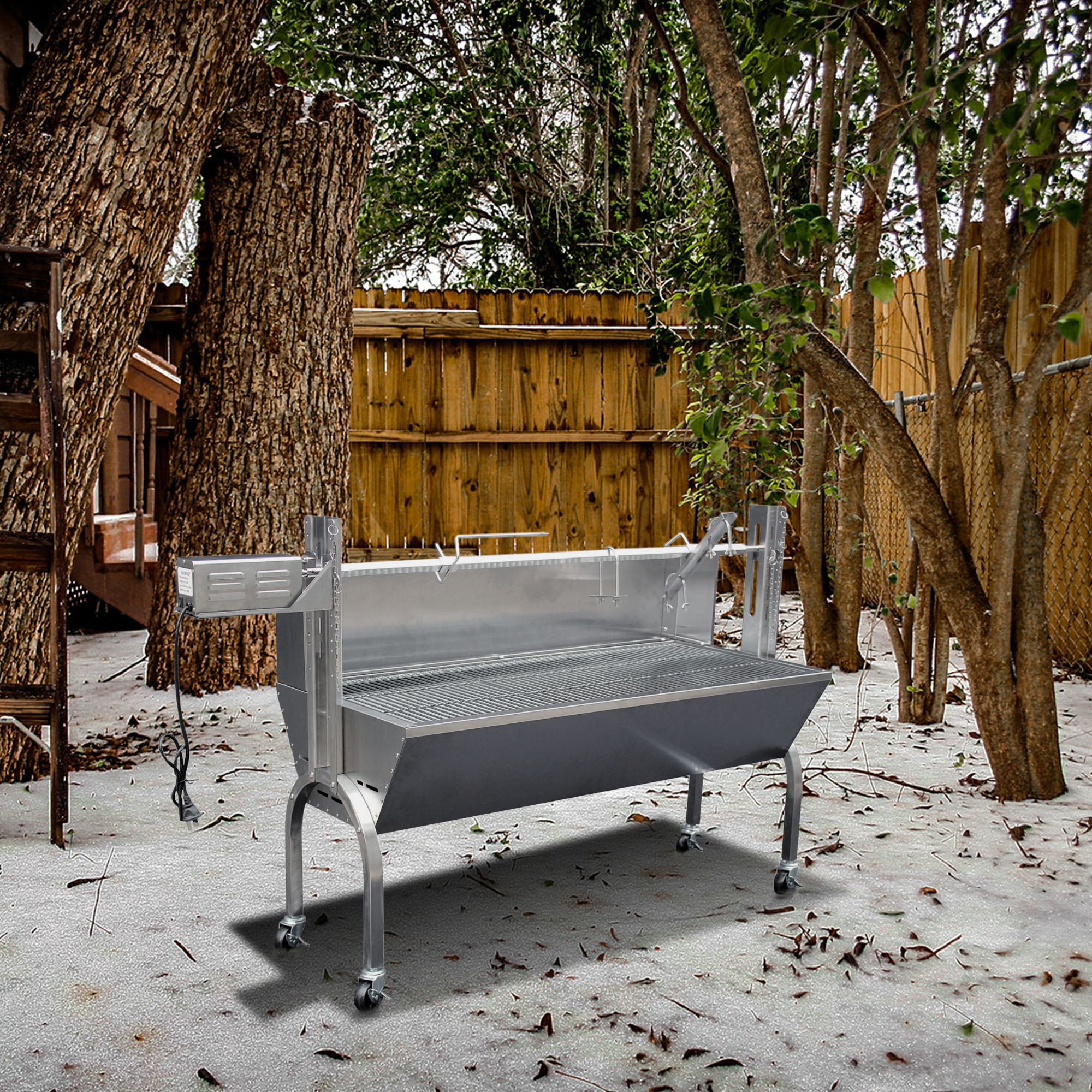
One of the key challenges in charcoal grilling is maintaining a consistent temperature. Unlike gas grills, where you can easily adjust the heat with a knob, charcoal grills require you to control the temperature by managing the airflow. Most charcoal grills have vents at the top and bottom that can be opened or closed to regulate the amount of oxygen reaching the coals. Opening the vents increases the temperature by allowing more oxygen in, while closing them lowers the temperature. It’s essential to monitor the grill’s temperature throughout the cooking process to ensure your food cooks evenly.
Adding Flavor with Wood Chips and Marinades
Charcoal grilling is known for the rich, smoky flavor it imparts to food, but you can enhance this even further by adding wood chips or using marinades. Wood chips come in a variety of flavors, including hickory, mesquite, applewood, and cherry. Soaking the wood chips in water for about 30 minutes before adding them to the coals can help them smolder and produce more smoke. This additional layer of smoke can infuse your food with deeper, more complex flavors. Marinades, rubs, and brines can also add flavor to your dishes, complementing the natural smokiness of the charcoal.
Cooking Techniques: Searing, Smoking, and Roasting
Charcoal grills are incredibly versatile, allowing you to use various cooking techniques to achieve different results. Searing is a popular technique for creating a delicious crust on steaks and burgers. To sear effectively, ensure your grill is very hot and place the meat directly over the coals for a short period. For smoking, use the indirect heat method and add soaked wood chips to the coals. The meat should cook slowly, absorbing the smoke over a longer time, which results in a tender, flavorful dish. Roasting is another technique that works well on a charcoal grill. By placing a drip pan filled with water under the meat and using indirect heat, you can create a moist environment that helps retain the juiciness of larger cuts of meat or poultry.
Essential Tips for Perfectly Grilled Food
To consistently produce delicious food on a charcoal grill, keep a few essential tips in mind. First, always preheat your grill. Allow the coals to burn until they are covered with white ash, which indicates they are at the right temperature for cooking. Second, avoid flipping your food too often. Let it cook on one side until it develops a good sear before turning it over. Third, use a meat thermometer to check for doneness, especially with thicker cuts of meat. This ensures that your food is cooked to the right temperature without being undercooked or overdone. Lastly, let your meat rest after cooking to allow the juices to redistribute, resulting in a more flavorful and tender bite.
Cleaning and Maintaining Your Charcoal Grill
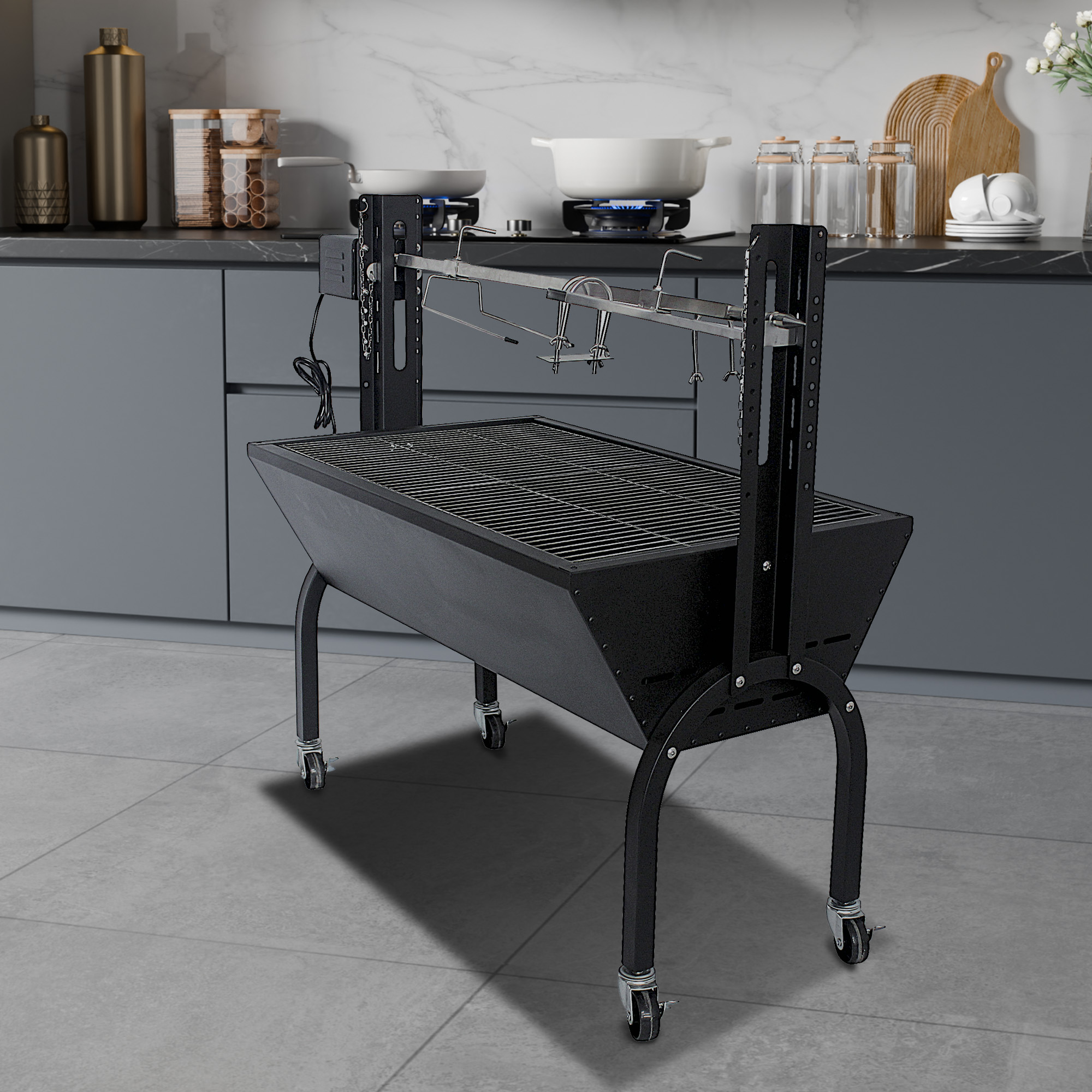
To keep your charcoal grill in top condition, regular cleaning and maintenance are crucial. After each grilling session, clean the grates with a grill brush to remove any food residue. It’s also a good idea to empty the ash catcher and clean out any remaining charcoal. Periodically, give your grill a more thorough cleaning by removing the grates and scrubbing the interior with warm, soapy water. This helps prevent rust and ensures your grill continues to perform well. Proper maintenance not only extends the life of your grill but also ensures that your food tastes better by avoiding any buildup of old grease or ash.
The Joy of Charcoal Grilling: A Rewarding Experience
Charcoal grilling is more than just a way to cook food; it's an experience that brings people together and adds a sense of tradition to outdoor cooking. The process of lighting the coals, adjusting the heat, and tending to the food requires patience and attention, making the end result all the more rewarding. Whether you're grilling a simple burger or smoking a brisket for hours, the flavor and satisfaction that come from charcoal grilling are unmatched. With practice and the right techniques, anyone can master the art of cooking with a charcoal grill and enjoy the delicious results.